Microsoft Remote Desktop 102 2021 Download Install [ 99% LEGIT ]
- 100% anonymous servers
- Unblock & use favorite services
- One tap to absolute privacy
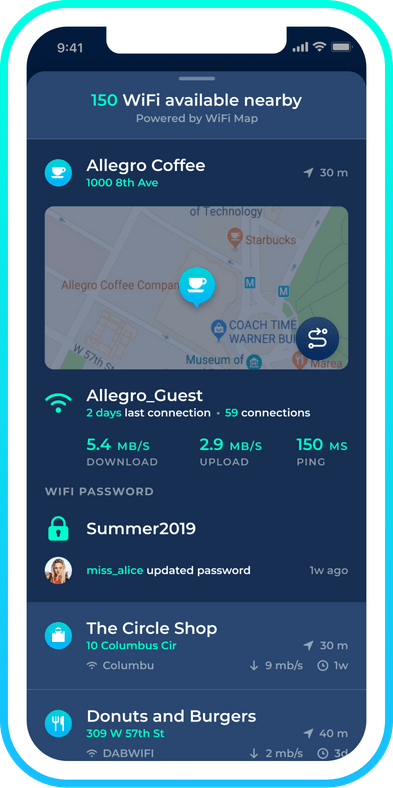
- Free WiFi access worldwide


Browse without any limitations all your favorite services

Shield your personal data from the prying eyes of authorities and hackers

Bypass geo-restrictions, closedowns, and digital censorship


549 servers

390 servers

1830 servers

840 servers
 Appstore
 Google Play
Resilience and Resource Efficiency One of remote desktop’s quieter virtues is resilience. Centralizing heavy compute tasks on remote servers reduces the need for each user to own the latest hardware. It enables a smaller, more sustainable ecological footprint: fewer devices, fewer upgrades, and more efficient utilization of powerful machines. Remote desktops also foster business continuity—when a laptop fails, the worker simply reconnects to the corporate desktop and continues. In this way, remote access is both a technical convenience and an infrastructural strategy that shapes how organizations allocate resources.
The Aesthetics of the Distributed Desktop Beyond function, remote desktops possess an aesthetic—an interplay of latency, resolution, and interface ergonomics. A responsive session feels like a conversation; lag introduces friction, like a delayed reply in dialogue. Designers and engineers labor to make remote sessions indistinguishable from local work, because the illusion of immediacy eases cognitive load. Yet imperfections can be poetic: a brief stutter in animation reminds us of the physical realities underpinning our virtual connection. The visual language of a remote desktop—icons, windows, backgrounds—becomes a hybrid identity, neither wholly local nor purely remote, but a layered artifact of both contexts.
The Practical Gateway At its simplest, downloading and installing remote desktop software is an engineering routine: choose the correct package for your OS, verify system requirements, set permissions, configure network access, and ensure security settings are tight. These steps matter because they form the scaffolding of a trusting relationship between local and remote machines. Downloading feels mundane—click, accept, install—but the act unlocks a series of affordances: seamless file access, centralized computing power, consistent environments across devices, and an easy route to collaborate. The setup is the threshold; beyond it lies the practical choreography of day-to-day remote life.
The Human Element For all its efficiencies, remote desktop usage is ultimately human-centered. The software mediates relationships—between colleagues, between employee and employer, between teacher and learner. Its success depends on clear communication, mutual respect, and a willingness to adapt. The tools we build reflect our priorities: convenience, privacy, equity, or control. Choosing how we configure, who we grant access to, and how we educate users about responsible use reveals the values that shape our digital workspaces.








Resilience and Resource Efficiency One of remote desktop’s quieter virtues is resilience. Centralizing heavy compute tasks on remote servers reduces the need for each user to own the latest hardware. It enables a smaller, more sustainable ecological footprint: fewer devices, fewer upgrades, and more efficient utilization of powerful machines. Remote desktops also foster business continuity—when a laptop fails, the worker simply reconnects to the corporate desktop and continues. In this way, remote access is both a technical convenience and an infrastructural strategy that shapes how organizations allocate resources.
The Aesthetics of the Distributed Desktop Beyond function, remote desktops possess an aesthetic—an interplay of latency, resolution, and interface ergonomics. A responsive session feels like a conversation; lag introduces friction, like a delayed reply in dialogue. Designers and engineers labor to make remote sessions indistinguishable from local work, because the illusion of immediacy eases cognitive load. Yet imperfections can be poetic: a brief stutter in animation reminds us of the physical realities underpinning our virtual connection. The visual language of a remote desktop—icons, windows, backgrounds—becomes a hybrid identity, neither wholly local nor purely remote, but a layered artifact of both contexts. microsoft remote desktop 102 download install
The Practical Gateway At its simplest, downloading and installing remote desktop software is an engineering routine: choose the correct package for your OS, verify system requirements, set permissions, configure network access, and ensure security settings are tight. These steps matter because they form the scaffolding of a trusting relationship between local and remote machines. Downloading feels mundane—click, accept, install—but the act unlocks a series of affordances: seamless file access, centralized computing power, consistent environments across devices, and an easy route to collaborate. The setup is the threshold; beyond it lies the practical choreography of day-to-day remote life. Resilience and Resource Efficiency One of remote desktop’s
The Human Element For all its efficiencies, remote desktop usage is ultimately human-centered. The software mediates relationships—between colleagues, between employee and employer, between teacher and learner. Its success depends on clear communication, mutual respect, and a willingness to adapt. The tools we build reflect our priorities: convenience, privacy, equity, or control. Choosing how we configure, who we grant access to, and how we educate users about responsible use reveals the values that shape our digital workspaces. A responsive session feels like a conversation; lag

